
MAJORITY LEADER CALLS FOR IMMEDIATE ACTION BY LOCAL ASSEMBLIES TO TACKLE FLOODING AND SANITATION CHALLENGES
 HENRY GERCHI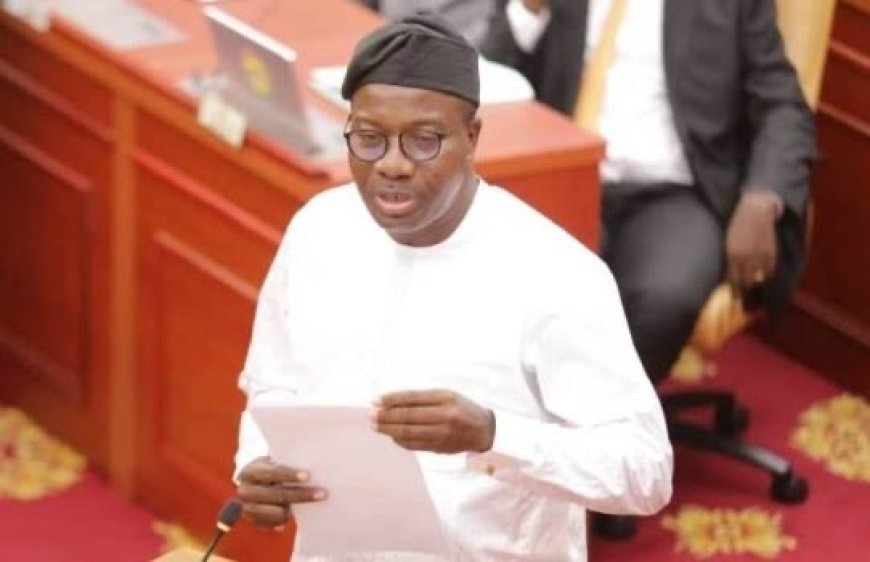
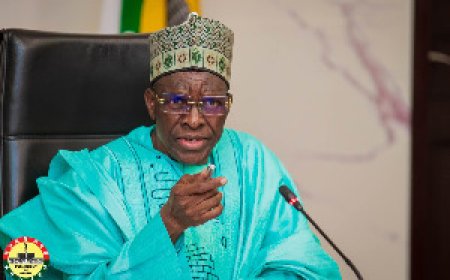
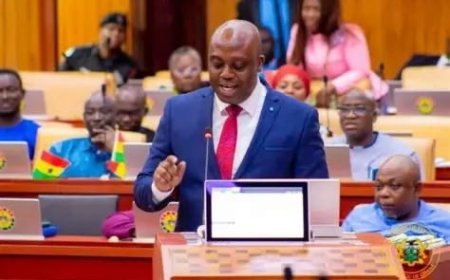
The Majority Leader of Ghana's Parliament, Hon Mahama Ayariga has called on Metropolitan, Municipal and District Assemblies (MMDAs) to move beyond rhetoric and take decisive action to address the country's recurring flooding and sanitation challenges.


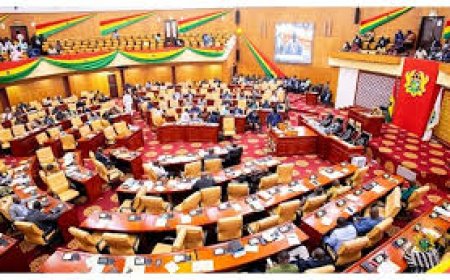
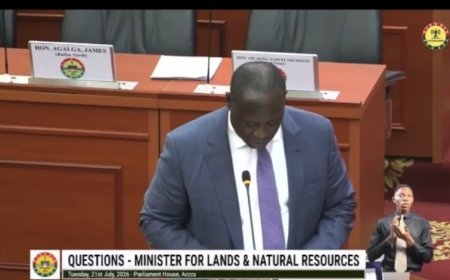
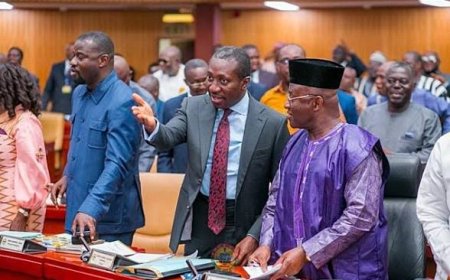
Speaking on the floor of Parliament on Tuesday 30th 2026, Hon. Ayariga expressed sympathy to families and individuals affected by the recent floods, particularly those who suffered injuries, lost property, or were displaced.
For all those who got injured, those who have lost property, and those who have been rendered destitute as a result of the flooding... let's do less talking and let's take action," he urged.»
The Majority Leader stressed that effective flood prevention begins at the local level, pointing out that local assemblies are primarily responsible for spatial planning, zoning, and enforcing development regulations within their jurisdictions.
He urged the assemblies to strictly enforce planning laws by ensuring that residential and commercial developments are properly sited and that drainage channels and waterways remain free from encroachment to allow the uninterrupted flow of stormwater.
The Minister for Government Business also underscored the enormous financial investment required to permanently address flooding, stating that the central government alone cannot shoulder the burden. He therefore proposed a shared responsibility model involving property owners and local authorities.
According to him, developers should contribute to the construction and maintenance of drainage systems directly in front of their properties, while local assemblies must ensure that property rates collected from residents are reinvested into drainage, sanitation, and other essential infrastructure within their communities.
The Majority Leader further reminded the assemblies that the government continues to allocate 80 percent of the District Assemblies Common Fund to local authorities under established guidelines. He said it is the responsibility of the assemblies to effectively utilize these funds, together with their internally generated revenue, to improve sanitation, strengthen drainage infrastructure, and reduce the risk of flooding.
Hon. Ayariga concluded by urging local authorities to demonstrate stronger leadership and accountability, emphasizing that proactive planning, strict enforcement of regulations, and prudent use of available resources are essential to ending the cycle of flooding and poor sanitation in communities across the country.