

Bank of Ghana Cuts Currency Printing Costs Despite Rise in Cash Circulation
 HENRY GERCHI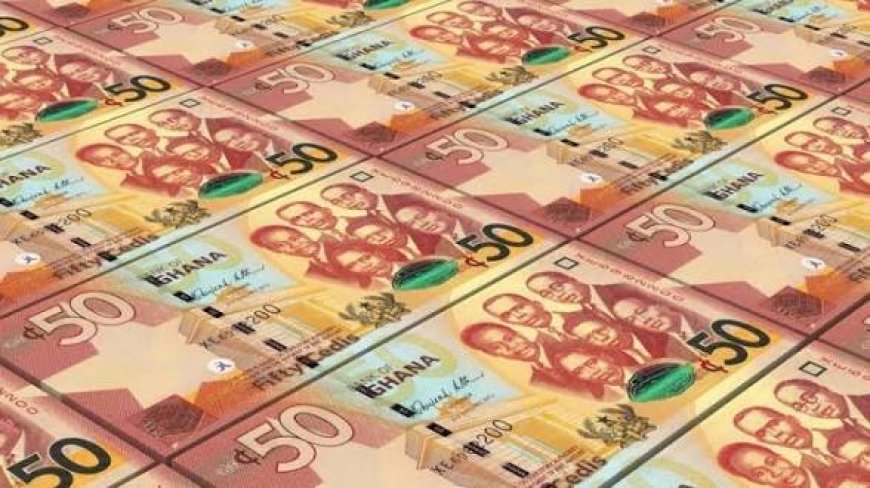
Accra — The Bank of Ghana has significantly reduced the cost of printing money, even as the amount of cash circulating in the economy continues to increase.


According to its 2025 financial statements, the cost of printing banknotes and minting coins dropped sharply by about 72%, falling from GH¢986 million in 2024 to GH¢277 million in 2025.
Overall currency issuance costs also declined to about GH¢471.4 million, down from over GH¢1 billion the previous year.
Despite this reduction, demand for physical cash remained strong. Currency in circulation rose by approximately 17%, increasing from GH¢71.6 billion in 2024 to GH¢83.8 billion in 2025.
Why the Cost Dropped
The decline in printing costs is attributed to:
- Lower production expenses for notes and coins
- Improved inventory and currency management
- Reduced need for replacing old notes
However, some related costs—such as logistics, imports, and miscellaneous expenses—increased, partly offsetting the savings.
Bigger Picture
The development reflects efforts by the central bank to optimize operational costs while managing growing cash demand in the economy.
Even though printing money is a relatively small part of overall expenses, it still affects the central bank’s finances, especially as it continues to deal with broader financial pressures and losses in recent years.
The trend highlights a balancing act: more cash in the system, but at a lower production cost—a sign of improved efficiency in currency management.