
SPEAKER BAGBIN URGES AFRICAN LEGISLATORS TO DEFEND FAMILY SOVEREIGNTY AS BEDROCK OF NATIONAL STABILITY
 Princess Adoma Danquah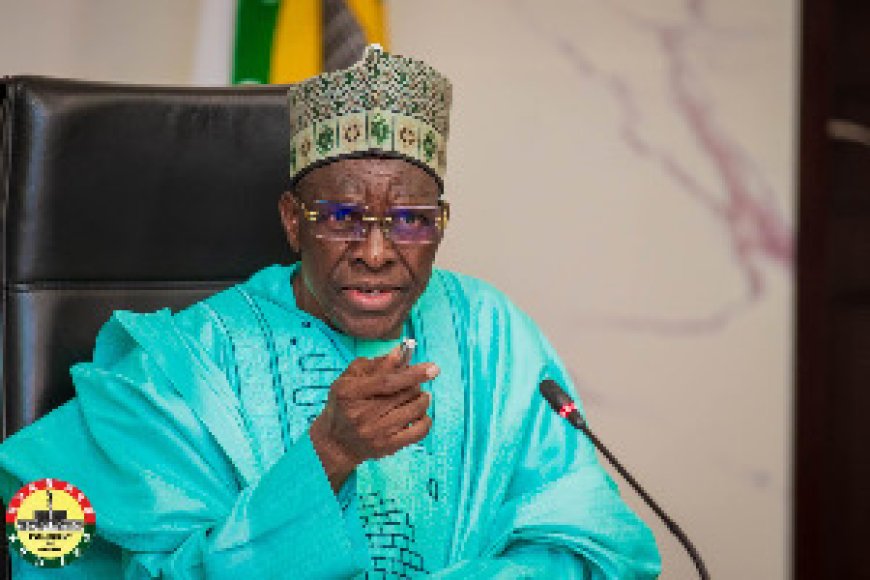
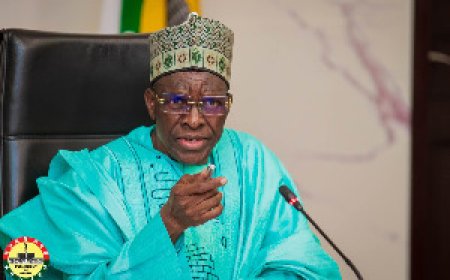
Rt. Hon. Alban Kingsford Sumana Bagbin, Speaker of Ghana’s Parliament and Chairperson of the Inter-Parliamentary Union of Africa, has called on African lawmakers to place the family at the center of lawmaking, describing it as the “smallest unit of governance” on which national sovereignty rests.


Delivering the keynote address at the 4th African Inter-Parliamentary Conference on Family Sovereignty and Values in Accra, Bagbin told delegates that true sovereignty “does not begin at our national borders or within legislative chambers,” but is “born, nurtured, and sustained in the family.”
“The laws we enact, the budgets we approve, and the policies we oversee must reflect this reality,” he said. “If the family breaks under economic distress as we are experiencing now, or cultural alienation, the state itself loses its structural integrity.”
As President of African Legislatures, Bagbin framed the conference as part of Africa’s search for self-actualization and urged parliamentarians to handle sovereignty with “maturity and legal precision.” He linked the continent’s founding vision to family unity, noting that Africa’s early leaders deliberately sought to make Africa a family, not just a continent.
Citing historical examples, he recalled how Dr. Kwame Nkrumah married Fathia from Egypt “to make Africa a family” and connect North Africa with the rest of the continent. He also mentioned Zimbabwe’s Robert Mugabe marrying Ghanaian Sally Hayfron, and Malawi’s Hastings Banda living and working in Kumasi before returning to lead Nyasaland to independence.
The 4th African Inter-Parliamentary Conference brings together legislators from across the continent to deliberate on governance, cultural preservation, and the role of family in policy.