
AI-DRIVEN CUSTOMS REFORMS BOOST REVENUE BY 17%- FINANCE MINISTER
 Princess Adoma Danquah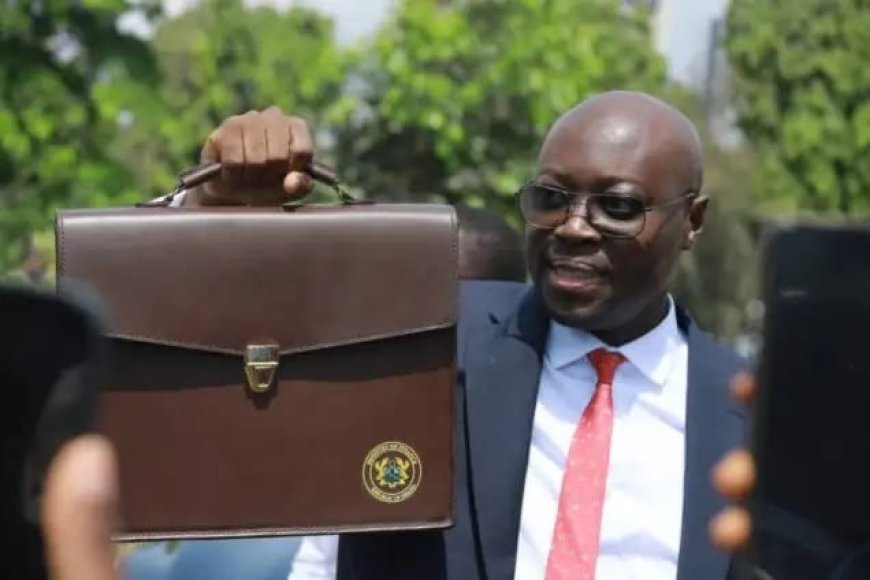
The Minister for Finance, Hon. Dr. Cassiel Ato Forson, has announced that artificial intelligence (AI)-driven customs reforms and enhanced digital systems have significantly improved revenue collection, contributing to a 17% increase in monthly customs revenue while reducing leakages and strengthening tax compliance.


Presenting the 2026 Mid-Year Budget Review in Parliament on Thursday 23rd July, 2026, the Finance Minister said the deployment of AI-powered technologies at the country's ports has improved enforcement, closed long-standing loopholes, and enhanced the efficiency of customs administration.
According to the Minister, monthly customs revenue increased by approximately 17% following the introduction of the new AI-driven systems.
He further disclosed that non-oil tax revenue rose from 12.6% of GDP in 2024 to 13.1% of GDP in 2025, representing an increase of 0.5 percentage points relative to GDP. Dr. Forson also highlighted reforms to the tax refund account, stating that measures have been implemented to end its misuse as a "slush fund" and ensure that refunds are paid only for legitimate claims.
The Finance Minister emphasized that the increase in government revenue was achieved without imposing new taxes, noting that it came despite the removal of several taxes, including the Electronic Transfer Levy (E-Levy) and other nuisance taxes. He stressed that stronger compliance, improved policy implementation, and smarter tax administration are more effective in generating sustainable revenue than increasing tax rates.
The government believes the success of the AI-driven customs reforms demonstrates how technology and digital innovation can improve public revenue mobilisation while easing the tax burden on citizens. According to the Minister, the reforms enabled Ghana to collect more revenue through better compliance and administrative efficiency rather than through higher taxation.