
Women in agriculture and the climate in the Upper East Region of Ghana
 Adongo Comfort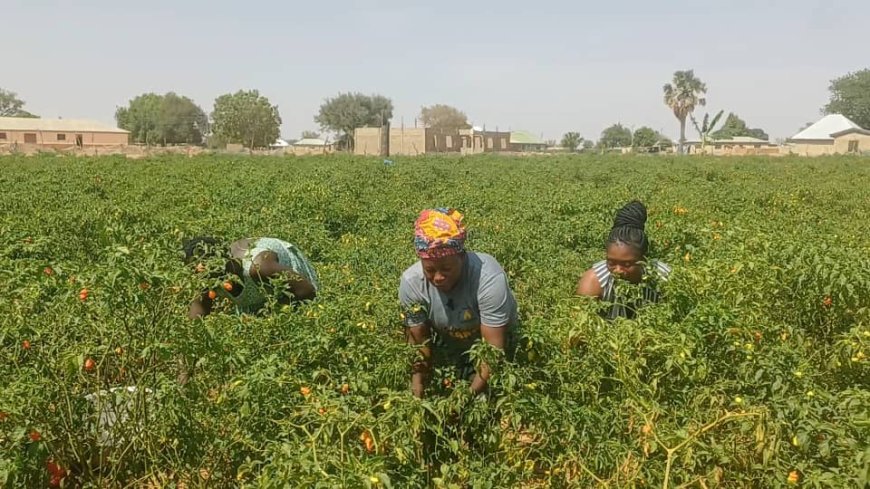
In the heart Upper East Region, Gowrie community were women are the unsung heroes in agriculture,


70% serving as essential pillars in their communities. Their resilience and hard work feed families and sustain local economies, but they face an impending threat: climate change. This region, known for its vibrant culture and rich agricultural history, is now grappling with the unpredictable impacts of changing weather patterns.
This story delves deep into the lives of these women, exploring their challenges, their adaptability, and their essential role in shaping a resilient agricultural future.
Every morning, as dawn breaks over the fields, women like Ms. Veronica Ayindoo rise to face the day. Their routines are steeped in tradition; they plant, weed, and harvest, drawing on generations of agricultural knowledge. However, the climate crisis has introduced an unsettling uncertainty into their daily lives. Ms. Vero reflects, “I grew up watching my mother and grandmother manage our farm, but today, the land feels different. The rains come late, and when they do, they often come in torrents that wash away our hard work.”
The unpredictability of rainfall patterns has made it challenging for farmers to anticipate when to plant crops. Earlier, the agricultural calendar was straightforward, but now it resembles a game of chance.
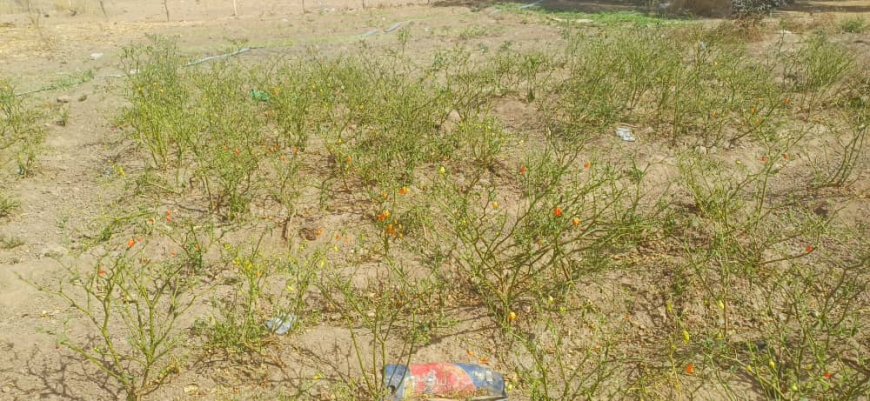
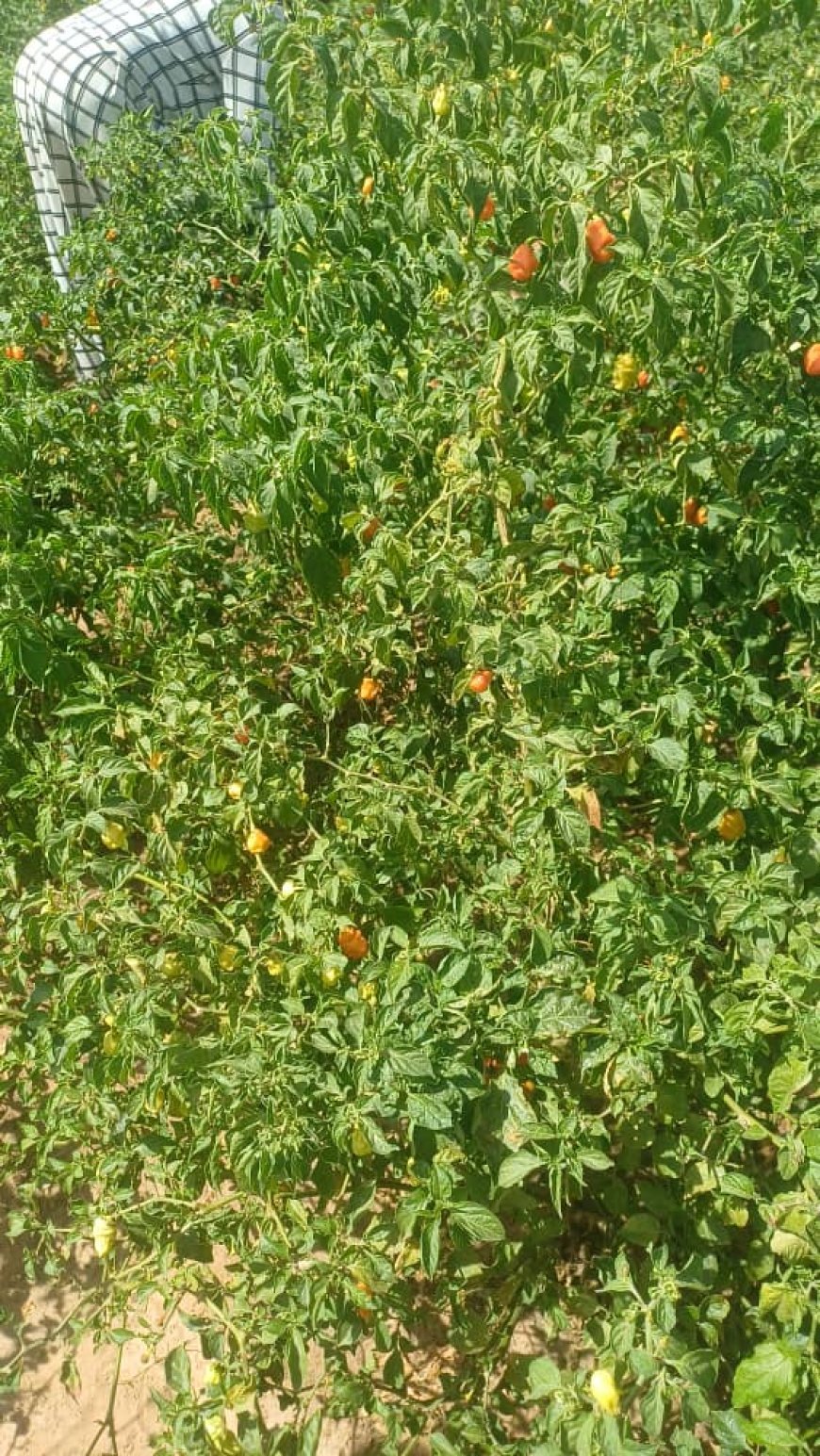
This leads to devastating crop failures, threatening food security for families that rely solely on their harvests. “I Madam Cynthia said I am a widow who has decide o engage in dry season farming so can afford school fees for my university and senior school yet I plant pepper and it refuse gyemete due to dry river but I could remember 7years ago when my husband was alive we easily get access to water indeed the climate has real change! I use not to believe.”
The Upper East Region, characterized by arid landscapes and low rainfall, is particularly vulnerable. As droughts become more frequent, the once-fertile soils are striving to maintain their productivity. The implications are dire not just for families but also for the entire community, as agriculture remains the primary economic activity in the area.Despite the hurdles, the indomitable spirit of these women shines through. In villages across the Upper East Region, women gather in cooperative meetings, exchanging knowledge and strategies for coping with climatic challenges. Azupoka, a leader in her cooperative, speaks passionately about the power of collaboration. “Since we began meeting regularly, we’ve learned so much from each other. By sharing seeds and farming techniques, we can adapt to the changing climate.”
These cooperatives serve as vital networks for sharing agricultural innovations. Women discuss everything from crop rotation practices to pest management strategies and sustainable methods for water conservation. Their gathering places, often bustling with energy and optimism, become hubs of empowerment.
In one such meeting, a seasoned farmer shares insights on climate-smart agriculture, emphasizing the importance of diversifying crops. “Planting different varieties means that if one fails, others may thrive,” she advises. This kind of shared wisdom is invaluable, transforming individual struggles into collective resilience.
Women in the Upper East Region are increasingly turning to innovative farming practices as a response to the challenges posed by climate change. Climate-smart agriculture is at the forefront of these adaptations. This approach emphasizes techniques that increase productivity while also enhancing resilience to climate impacts.
Many women are experimenting with improved seed varieties that are more tolerant to drought and pests. These seeds, often provided through agricultural NGOs and research programs, have shown promising results. Farmers have begun to see improved yields, even in less-than-ideal conditions.
For instance, the introduction of drought-resistant maize varieties has significantly improved food production for several households.
Irrigation methods are also evolving. Traditional farming often depended solely on rainfall, but women are learning to implement water conservation techniques, such as drip irrigation. This allows them to maximize water use efficiency, ensuring that crops receive adequate moisture even during dry spells.
The commitment to sustainable practices is further reflected in organic farming initiatives. By eschewing chemical fertilizers and pesticides, women are not only protecting the environment but also improving the health of their communities. “Our ancestors farmed without chemicals, and we want to return to
those practices,” explains Veronica . “It’s healthier for us and for the soil.”As women enhance their agricultural practices, they are also stepping into new roles as entrepreneurs, taking control of their financial futures. Their involvement in local markets has transformed the economic landscape of their communities. Here, women sell fruits, vegetables, and other farm products,
proudly showcasing their hard work.
Markets are vibrant spaces, alive with activity and colorful displays of produce. Selling at these markets offers women not only a source of income but also a platform to assert their independence. “I no longer just rely on my husband’s income,” says Veronica. “My work in the fields has given me independence and confidence.”
Entrepreneurship extends beyond selling produce.
Many women are exploring value-added activities such as processing fruits into jams or creating packaged goods. These ventures not only increase their income but also enhance food security by offering diverse nutritional options within the community.
Education plays a pivotal role in empowering women in agriculture. Gowrie community and Bongo district Many NGOs are working to bridge the knowledge gap through training programs focused on sustainable farming techniques, leadership skills, and financial literacy.
These programs equip women with the tools necessary to navigate the complexities of climate change while enhancing their roles within their communities. During workshops, women learn about financial management, budgeting, and how to access credit.
Access to financial resources is crucial for scaling their agricultural practices and investing in new ventures. With newfound financial literacy, women can apply for loans to purchase better tools, seeds, or even livestock to diversify their farming operations further.
Collectively, these educational initiatives foster a culture of self-sufficiency and resilience. Women emerge from these programs not just as better farmers, but as community leaders, ready to advocate for themselves and their families.As women rise to prominence in agriculture, there is a growing recognition of the importance of inclusive practices that involve men as allies. Increasingly, men in the Upper East Region are acknowledging the contributions of women in farming and are beginning to participate in cooperative efforts.
This shift fosters an environment of shared responsibilities, where men and women work side by side to address climate challenges. Community discussions center on collaboration, ensuring that both genders are engaged in decision-making processes related to agricultural practices. This collective approach strengthens community bonds and improves overall resilience against climate impacts. As the sun sets over the fields, casting long shadows on the ground, the women of the Upper East Region stand tall, embodying resilience and innovation. They are not merely victims of climate change but warriors of change, crafting a sustainable agricultural future for themselves and their communities.
The stories of Veronica , Azupoka, and countless other women reflect a broader narrative of empowerment and adaptation. By cultivating crops and hope, they are laying the groundwork for a prosperous tomorrow. Supporting their efforts through increased access to resources, education, and community engagement is essential for building a more resilient agricultural system.
In this interconnected world, it becomes increasingly clear that when women thrive, communities flourish. The resilience of these women in the Upper East Region serves as a powerful reminder of the impact individuals can have in the face of adversity. The path forward is clear: invest in women, embrace Together, they can transform challenges intoopportunities and secure a sustainable future for all.