
Illegal Miners Return to Forest Reserves With New Machines as Forestry Commission Shifts Strategy
The Forestry Commission says illegal miners are returning to forest reserves with new equipment after temporary enforcement raids
 HENRY GERCHI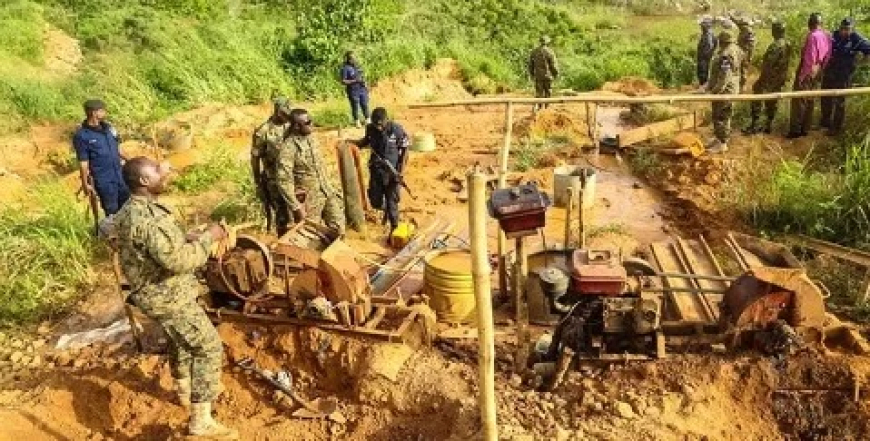
Accra, August 9, 2026 — The Forestry Commission has disclosed that illegal miners continue to return to forest reserves after enforcement operations, often bringing in new mining equipment and resuming activities at sites previously cleared.


The Western Regional Manager of the Forestry Commission, Nana Poku Bosompim, said the development has made periodic raids and the destruction of mining equipment insufficient to permanently stop illegal mining, popularly known as galamsey.
Speaking on TV3’s Key Points programme on Saturday, August 8, Nana Poku said illegal miners frequently relocate when enforcement teams arrive and return to cleared locations once the officers withdraw.
According to him, the Commission encounters new Changfan machines regularly despite efforts to destroy equipment used in illegal mining.
Forestry Commission establishes permanent camps
Nana Poku explained that the Forestry Commission is therefore changing its approach by establishing permanent, round-the-clock camps in affected forest reserves.
The objective, he said, is to maintain a continuous presence in the reserves and prevent illegal miners from returning after enforcement teams leave.
The new strategy follows an eight-day operation at the Cape Three Points Forest Reserve in the Western Region, which resulted in the destruction of 125 Changfan machines and 202 industrial water pumps.
The operation also led to the arrest of 41 people and the destruction of 59 makeshift structures used as mining camps.
Of the 41 people arrested, four were women who were found in the forest after 2 a.m., according to the Forestry Commission official.
Nana Poku disclosed that 27 of the suspects had been remanded by a Circuit Court in Takoradi, while the remaining suspects were expected to appear before the court subsequently. (Graphic Online)
Why raids alone are proving difficult
The Forestry Commission’s position highlights a major challenge confronting Ghana’s fight against illegal mining: enforcement operations can clear a particular site, but without sustained monitoring, miners can return or move to another location.
The Commission says the establishment of permanent camps is intended to address that gap by ensuring that officers remain in affected reserves rather than conducting short-term raids and withdrawing.
The latest disclosure comes amid continuing national concerns over the environmental impact of illegal mining, including the degradation of forest reserves and pollution of rivers and other water bodies.
Wider galamsey challenge
Illegal mining has remained a major environmental and economic concern in Ghana, with successive governments introducing enforcement operations and other measures to combat the practice.
The Forestry Commission’s latest comments suggest that the challenge is not simply removing miners and destroying equipment, but maintaining a sustained presence in vulnerable areas and preventing illegal operators from rebuilding their activities.
The Commission says its new permanent-camp strategy is expected to strengthen surveillance and make it more difficult for illegal miners to return to cleared forest reserves.