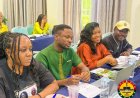

NEIP Deputy CEO leads launch of the Ghana Women and Youth Employment and Social Cohesion (GW YESCO) Project inBolgatanga
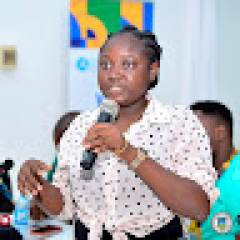 Adongo Comfort


The official launch of the Empowered Initiative under the Ghana Women and Youth Employment and Social Cohesion (GW YESCO) Project unfolded as a high-level dialogue on national development, inclusivity, and empowerment.
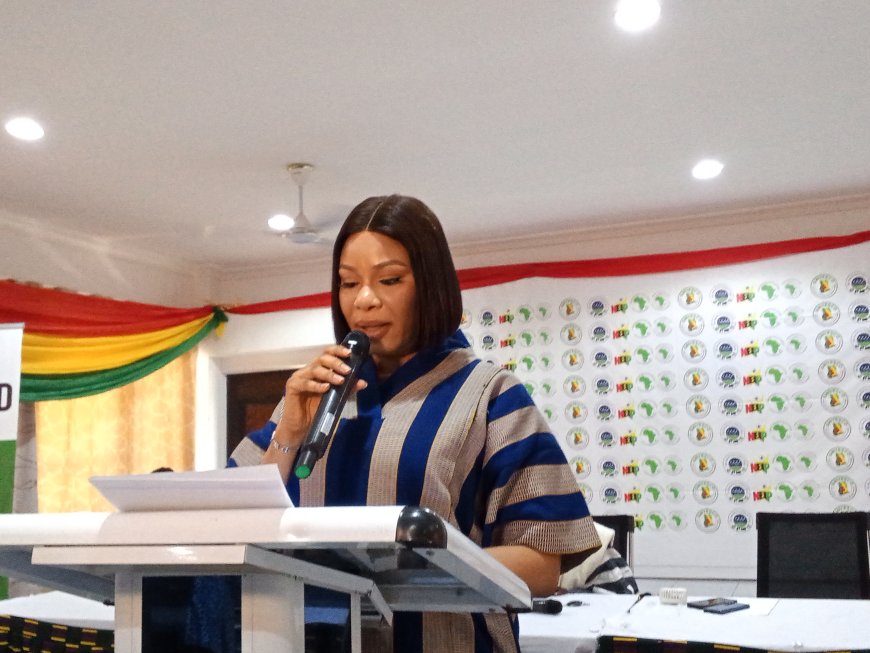
Today 30 October 2026 Joan Selasie Ahiawordor Esq., Deputy CEO of the National Entrepreneurship and Innovation Programme (NEIP), led the launch of the Empowered Initiative in Bolgatanga, Upper East Region. The initiative is designed to expand access to vocational training and business support for women and persons with disabilities.
Empowered forms part of the Ghana Women and Youth Employment and Social Cohesion (GW YESCO) Project, which operates across seven regions: Upper East, Upper West, Northern, Northeast, Savannah, Central and Eastern. Its launch came two days after the project’s CREATE Initiative was launched in Tamale on 28 October. While CREATE focuses on digital skills and content creation connected to cultural heritage, hospitality and tourism, Empowered centres on practical skills and livelihoods.
The Empowered Initiative will combine technical and vocational education and training with business development services. Participants are expected to gain hands-on skills for employment or self-employment, alongside guidance in business planning, customer relations, financial management and navigating markets. The approach is intended to help participants turn newly acquired skills into viable economic opportunities.
The launch address highlighted barriers that continue to limit some women and persons with disabilities from accessing vocational training, business support and economic opportunities. It presented Empowered as a way to create more inclusive pathways to earning an income, starting or expanding a business, and building a sustainable livelihood.
Beyond technical training, the initiative places emphasis on confidence building and helping participants recognise and apply their abilities. Accessibility, dignity and inclusion were described in the address as “non negotiable pillars” of its implementation.
The address also drew attention to the potential effects of economic empowerment beyond individual participants. It described how a woman who gains a vocational skill could contribute to household costs, invest in her children’s education and, if her enterprise grows, create work for others. These were presented as potential outcomes of the initiative, rather than results already achieved.
Traditional authorities, local government leaders and civil society organisations were urged to encourage participation and help create an environment in which women and persons with disabilities can thrive. Implementing partners and other stakeholders were called on to keep training and business services aligned with beneficiaries’ practical needs.
The launch address acknowledged the Government of Ghana and the African Development Bank Group for their financial support of the GW YESCO Project. It closed with a call to look beyond the launch ceremony and focus on its longer-term aims: skills put to use, businesses established and families supported.